2023
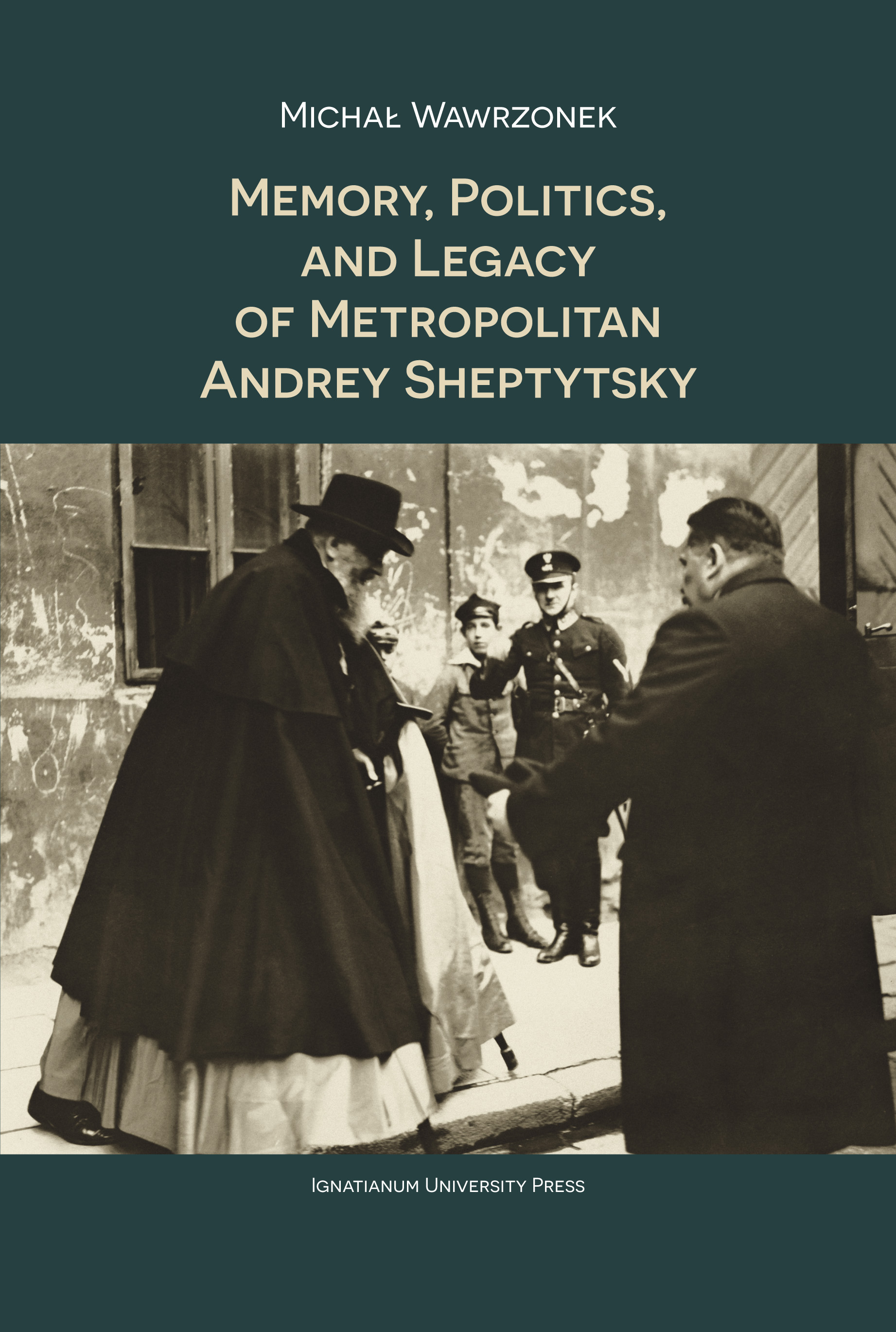
Memory, Politics and Legacy of Metropolitan Andrey Sheptytsky
Michał Wawrzonek
The example of the memory of Andrey Sheptytsky shows very clearly how Polish and Ukrainian historical cultures are interconnected. After the fall of communism, actors in both Poland and Ukraine faced the challenge of rebuilding the cognitive dimension of their cultures. […]
In the case of Sheptytsky’s legacy, the issue of “finding a way of reading it” becomes important because the Ukrainian Greek Catholic Church (UGCC) was excluded from the process of shaping the identity of the majority of contemporary Ukrainians, for whom it was therefore an “aborted legacy.” During the Orange Revolution and Euromaidan, the UGCC started to play the role of an All-Ukrainian civil society institution. The intention to link various aspects of Ukrainian life to Sheptytsky’s “aborted” legacy emerged among actors of all categories that were attempting to forge Ukraine’s collective memory. Therefore, attempts to link the memory of Sheptytsky with the lived social world in Ukraine has taken on a new dynamic. […]
These attempts correlated with the process of decommunization, that is, liberating Ukrainian historical culture from the burdens associated with the legacy of the Soviet era. This involves the need to cross a kind of mental Rubicon, which is still a significant challenge because, according to the still quite popular belief, revising the Soviet legacy entails the risk of rejecting “the modernity brought by the Soviet experience.”
Sheptytsky remains a controversial figure in Poland. While the controversies themselves should not be surprising and are not unusual, the problem is that 30 years after the fall of communism, these controversies are still intensified by manipulated messages.
From book’s Conclusion
Szczegóły
- Autorzy
- Michał Wawrzonek
- ISBN
- 978-83-7614-588-4
- Wydanie
- pierwsze
- Rok wydania
- 2023
- Oprawa
- miękka
- Format
- 156 × 232 mm
- Liczba stron
- 216
- Arkusze wydawnicze
- 13,00
- Dziedzina
- Historia
Słowa kluczowe: Andrey Sheptytsky, collective memory, historical policy, Holocaust, II World War, Polish-Ukrainian relations, politics, Ukrainian Greek Catholic Church